

 Koji Kabuto
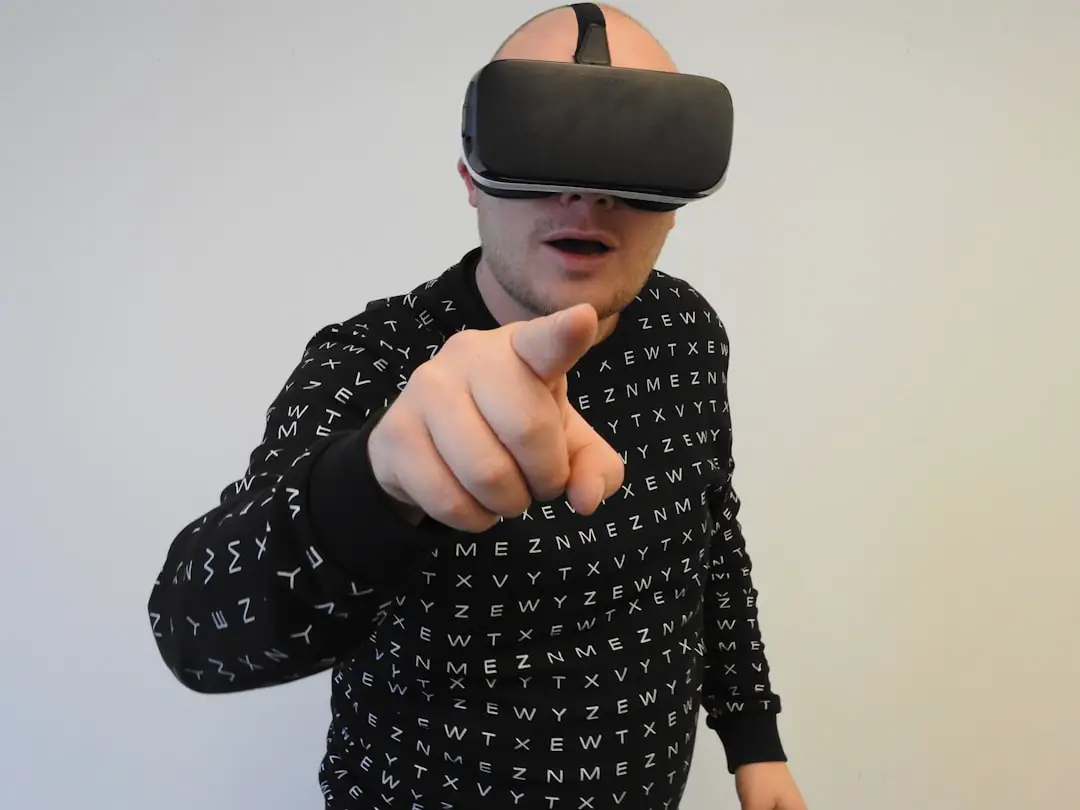
Virtual reality (VR) technology has come a long way in recent years, with advancements in visual and auditory experiences. However, one key element that has been missing from the VR experience is the sense of touch. That is, until now.
A team of researchers at the University of Southern California (USC) has developed new haptic technology that adds the sense of touch to virtual reality. This new technology allows users to physically feel objects in the virtual world, enhancing the immersion and realism of the experience.
The USC haptic technology works by using a combination of sensors, actuators, and algorithms to simulate the sense of touch. By applying force feedback to the user’s hands and fingers, the technology can create the sensation of touching and interacting with virtual objects.
This breakthrough has the potential to revolutionize the way we experience virtual reality, opening up new possibilities for gaming, training simulations, and other applications. Imagine being able to feel the texture of a virtual object, or the impact of a virtual punch – the possibilities are endless.
The USC team is continuing to refine and improve their haptic technology, with the goal of making it more accessible and widely available. In the future, we may see this technology integrated into VR headsets and controllers, making the sense of touch a standard feature in virtual reality experiences.
Overall, the development of haptic technology at USC represents a major step forward in the world of virtual reality. As this technology continues to evolve, we can expect to see even more immersive and realistic VR experiences in the years to come.
Source: USC Today